Heavy Haul Is an Engineering Problem, Not Just a Rate
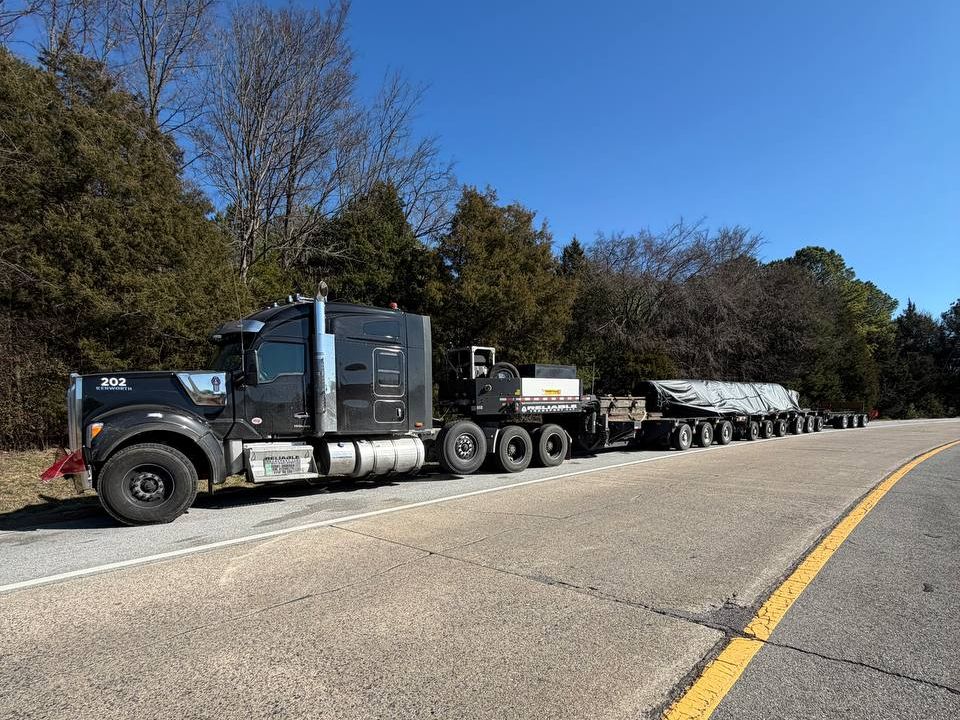
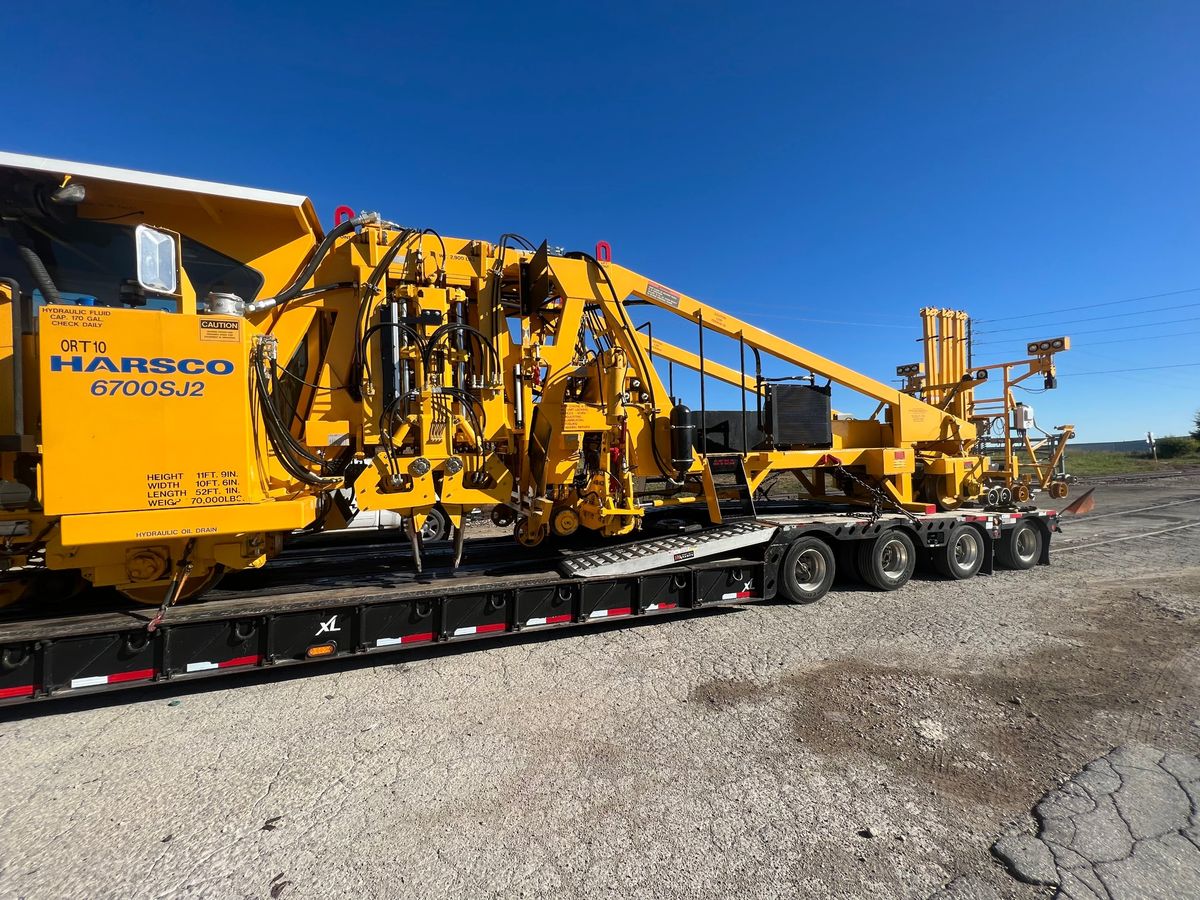
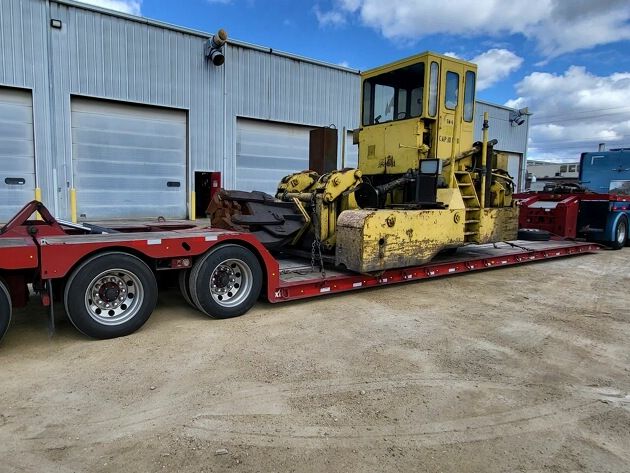
Most brokers treat heavy haul like a standard flatbed load with a permit attached. It isn't. Moving an over-dimensional or overweight load requires equipment selection, axle configuration, route analysis, multi-state permit sequencing, and often escort coordination — all before dispatch. Get any one of those wrong and you have a load sitting on the shoulder, a permit violation, or a missed delivery window on a job site that can't wait.
We approach every heavy haul move as a logistics problem first. Dimensions, weight, origin, destination, site constraints, and timeline all factor into how the move gets planned. We don't guess on equipment and we don't start the permit process after the truck is already booked.
Legal Limits & When Oversize Permits Are Required
Common planning limits are 8'6" wide, 13'6" tall, a 53' trailer, and 80,000 lbs gross vehicle weight. Height and length limits are set by each state, so the actual limits depend on your route. When a load exceeds the legal limits of a state on its route, that state requires an oversize or overweight permit. Loads over certain thresholds require law enforcement escorts. Some states restrict movement to daylight hours only or ban travel on Sundays and holidays entirely.
Multi-state moves compound the complexity — each state has its own permit office, its own fee structure, its own routing restrictions, and its own escort requirements. A transformer moving from a Gulf Coast port to an Ohio substation may transit five states with five different permit packages and different rules at each border crossing.
Heavy Haul Equipment & Axle Configuration
Oversize Permit Coordination & Route Engineering
Permit procurement is not just filing paperwork. It starts with a route survey — identifying bridge weight restrictions, overhead clearances, road surface conditions, and any known bottlenecks on the proposed route. Some loads require bridge analysis letters from state DOTs before permits are issued. Others require pre-approved alternate routes when the primary path has a clearance or weight restriction that the load can't clear.
- Single-state moves — one permit package, typically 1–3 business days depending on the state and load dimensions
- Multi-state moves — each state permit filed in sequence, coordinated to align with a realistic transit schedule. Some states require 5–10 business days. Planning ahead is not optional.
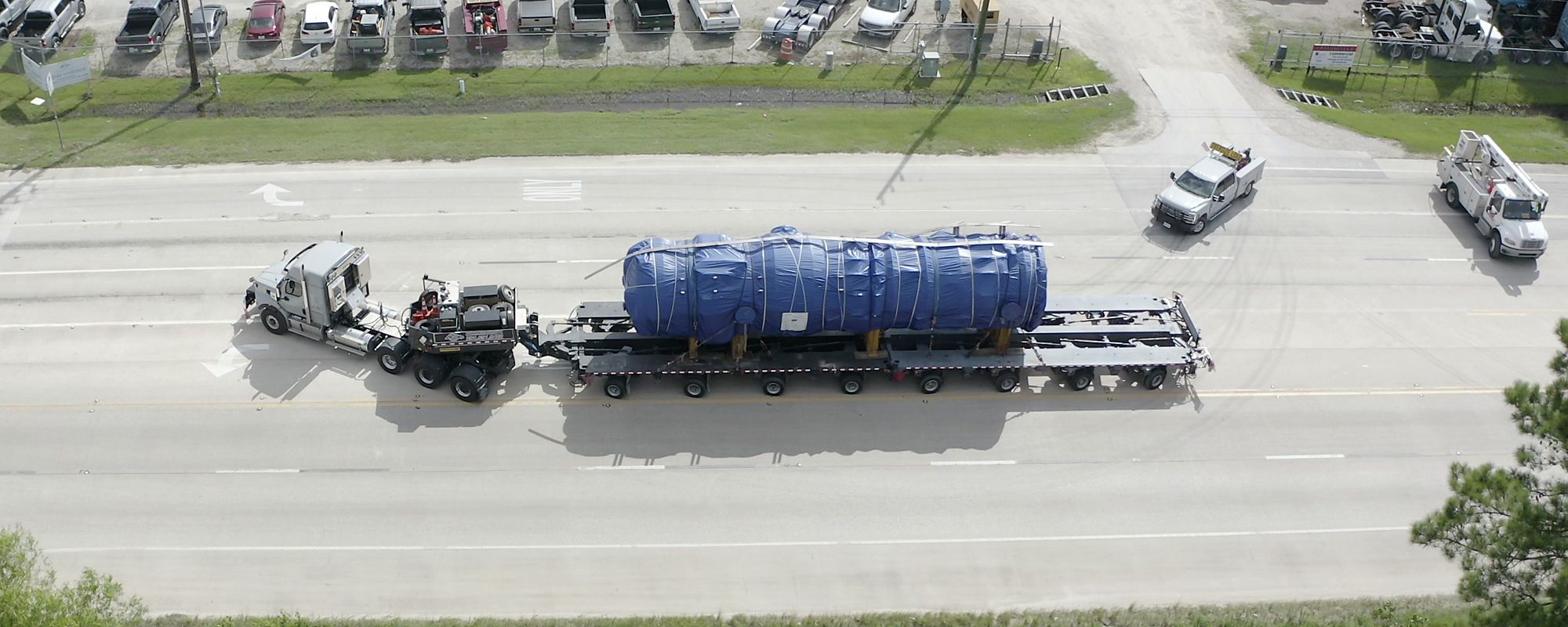
- Superload permits — Superload classifications, engineering-review requirements, and permit lead times vary by state, route, loaded dimensions, gross weight, and axle configuration. We recently permitted a 223,000-lb evaporator through Texas, New Mexico, Arizona, and California.
- Travel restrictions — many states restrict oversize movement to daylight hours, prohibit travel on holidays, and require advance notice to utilities for line lifts on the route.
Escort & Pilot Car Requirements
Pilot-car, height-pole, and law-enforcement escort requirements depend on the jurisdiction, route, and loaded dimensions. We confirm the requirements for each permitted move.
- Interstate moves — escort handoffs at state lines must be coordinated in advance so the load doesn't sit at a border waiting for the next escort to arrive
We coordinate escort sourcing, briefing, and handoffs as part of our move management. Escorts are not an afterthought — they get booked before the truck does.
Recent Heavy Haul Project
What We Move
How to Get a Heavy Haul Quote
The more information you provide upfront, the faster and more accurate the quote. Here's what we need:
- Dimensions — length, width, height of the load (not the trailer)
- Weight — total load weight, not including trailer
- Origin & destination — full addresses including any access restrictions at either end
- Timeline — pickup and delivery windows, and whether there's a hard deadline at the delivery site
- Site constraints — overhead clearances, road surface, turning radius, crane availability, offloading method
- Load description — what it is, how it's rigged, whether it can be disassembled
If you don't have all of this yet, call us anyway. We can help you figure out what you need before the quote process starts. For coordinated multi-load industrial moves, see project cargo. For inland legs on international shipments, see freight forwarding.